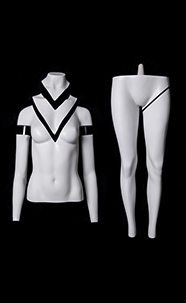
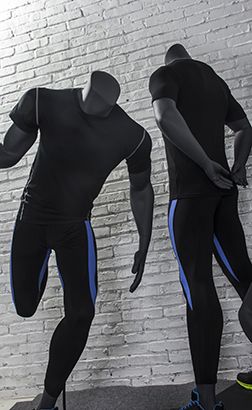
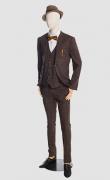
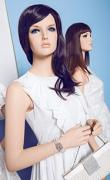
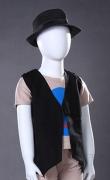
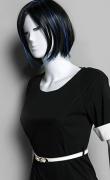
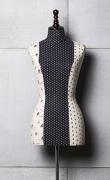
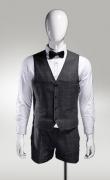
The store window is the "face" of a store, directly influencing consumers' first impression and their desire to enter. Mannequins, as the soul of the window display, are arranged in a way that directly determines the success or failure of the display. Successful mannequin displays not only attract attention but also effectively convey brand style and aesthetic propositions. Here are three core suggestions for optimizing window mannequin displays:
Maintain a unified theme and create an overall narrative.
A window display is a complete visual story, and all elements must revolve around a clear theme. Avoid mixing mannequins or clothing of different styles (such as French elegance and Korean sweetness), as this will lead to visual confusion and blur the brand positioning. First, clearly define the display theme—for example, "urban commuting" or "weekend leisure"—and then ensure that the mannequins' clothing, posture, position, and even props and backgrounds are highly consistent with the theme. A unified design language can strengthen the brand image and enhance the overall quality and narrative appeal of the window display.
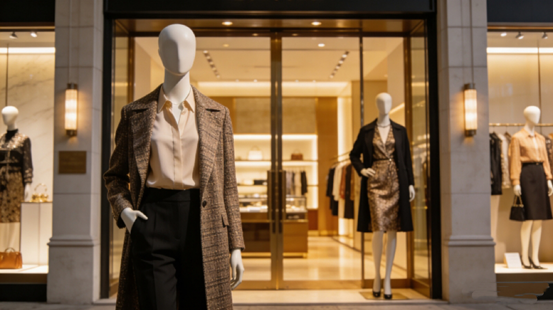
Use color skillfully to create a visual focal point.
Color is the primary element for attracting attention. Many beginners tend to use similar color tones for the models and backgrounds, but this can easily make the subject blurry and lack impact. A more effective method is to use color contrast: create a sharp contrast between the model's clothing and the background (e.g., bright clothing against a dark background), or construct contrasting color combinations among multiple models. This "differentiated color scheme" instantly grabs attention, creating a lively and dynamic visual effect, thus highlighting the product and guiding consumers to focus on the key elements of the display.
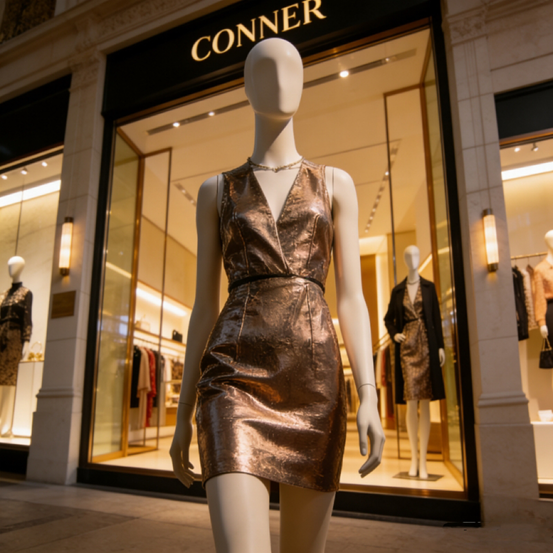
3. Pay attention to details and recreate a realistic wearing experience.
The charm of models lies in bringing static clothing to life. Through humanized treatment of details, the realism and immersion of the display can be greatly enhanced. For example, create natural wrinkles at the elbows and knees of the models to simulate real-life wearing conditions; at the same time, determine the presentation of details according to the type of clothing and the occasion—a parka can be left open in warm weather and buttoned up in cold weather. These subtle details not only reflect an understanding of real-life scenarios but also more easily evoke emotional resonance in customers, allowing them to imagine how the clothing would look on them.
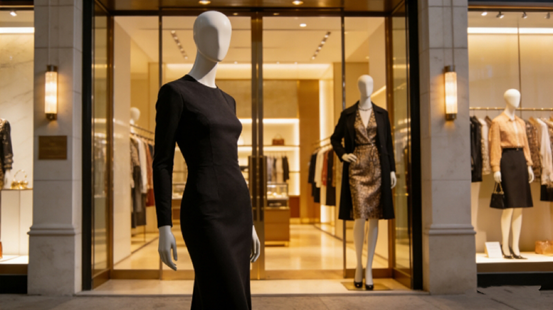
In conclusion, outstanding window display mannequins are the result of strategic thinking: constructing a story framework with a unified theme, creating visual tension with contrasting colors, and imbuing the display with real life through humanized details. By integrating these three points, the window display can transcend simple merchandise placement and become an efficient visual medium for attracting customers and conveying brand aesthetics.