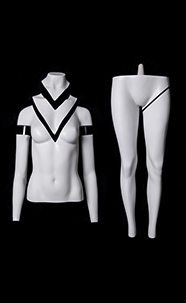
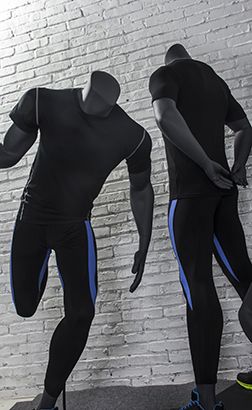
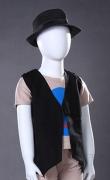
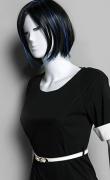
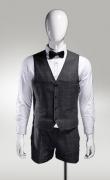
In the sports apparel retail sector, mannequins are not merely displays of clothing, but also communicators of brand philosophy and lifestyle. Choosing the right mannequins and employing skillful display techniques can significantly enhance the customer's shopping experience and brand identification.
Mannequin Selection: Balancing Realism and Diversity
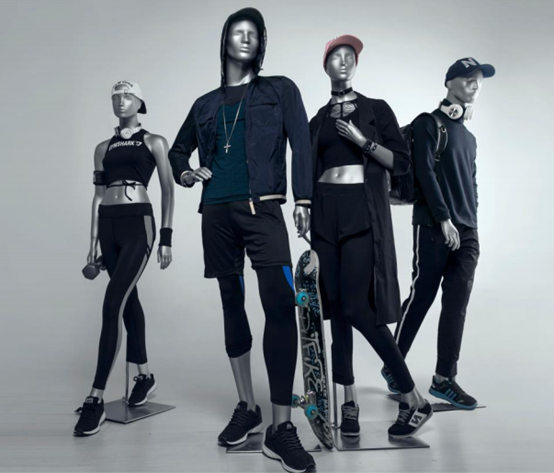
The ideal mannequin should reflect the brand's sporting spirit and target customer group. Compared to traditionally perfect-looking mannequins, modern sports brands prefer mannequins with diverse body types and natural postures. Research shows that customers' willingness to purchase increases by 30% when they see mannequins with similar body types to themselves. Therefore, selecting a mannequin series that covers different body types, heights, and ages can create a more inclusive shopping environment.
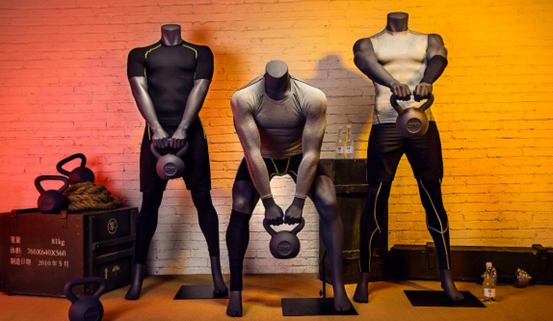
Sports brands should especially emphasize the dynamism of mannequin poses. Unlike traditional stiff standing poses, sports apparel mannequins should adopt dynamic poses such as preparing to start a run, yoga stretches, or fitness exercises. This not only showcases the shape of the clothing in motion but also stimulates the customer's sporty imagination.
Display Techniques: Creating a Sporting Scene and Emotional Connection
Scenario-based display is a core technique for sports apparel presentation. Placing mannequins in miniature workout settings—such as next to a treadmill, in front of a climbing wall, or on a yoga mat—instantly evokes associations with the activity. Adding appropriate props, such as water bottles, gym bags, or workout headphones, enhances the realism of the setting.
Multi-layered displays effectively promote cross-selling. Pairing featured products with corresponding accessories like sports bras, compression pants, and socks not only showcases the garment's styling possibilities but also provides customers with a complete solution. For color schemes, gradients or contrasting colors can create visual impact.
Lighting design is particularly crucial for sportswear displays. Precise spotlights highlight the technological and functional details of the fabric, such as breathable mesh and reflective strips. Dynamic lighting can simulate different workout environments; for example, natural light simulates outdoor activities, while soft lighting is suitable for yoga and meditation apparel.
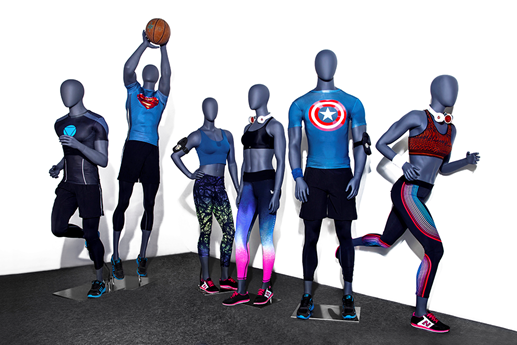
Interactive displays are becoming a new trend. Some cutting-edge stores use mannequins with interchangeable poses, allowing staff to adjust display actions based on new product characteristics, or create interactive areas where customers can adjust the mannequins' poses themselves, enhancing customer engagement.
Emotional Resonance: Beyond the Functionality of Clothing
The most successful displays are those that tell a story. Through the models' postures, expressions, and the overall setting, they convey the vitality, freedom, and sense of accomplishment that sports bring. When customers pass through the store, they shouldn't just see the clothing, but feel a lifestyle they aspire to.
Ultimately, mannequin displays in sportswear stores should become a bridge connecting the product's functionality with the consumer's emotional needs, transforming fabric technology into a tangible athletic experience, injecting dynamic vitality into static displays, and making each garment a potential starting point for a customer's athletic story.